






qr_ul_company.png

UL Solutions 通过为数据中心生态系统的电力、冷却、可持续性、安全及卓越运营提供测试、认证、咨询与软件服务,深度赋能产业发展。

UL Solutions 提供安全科学专业知识、咨询和软件支持,助力健康与生命科学领域的客户将创新、合规的产品推向市场。

第三方验证和确认服务不仅为采购方提供对产品或服务声明的可靠保障,同时也通过建模与仿真技术助力高效创新。

探索 UL Solutions 如何在确保安全与可靠的前提下,助力客户加速可再生能源发、输、配全链路升级。

助力您在产品全生命周期内加速关键系统的创新,确保其安全、可靠与卓越品质。

了解法规指引、测试与认证服务以及相关技术工具如何赋能您的全球市场准入策略。
搜索
热门搜索词
利用我们对安全、安防和可持续发展的战略性解决方案,助力您自信地进行创新,以应对纷繁复杂的商业挑战。
作为全球应用安全科学专家,我们助力客户创新,推出新产品和服务,驾驭全球市场和复杂的供应链,并以可持续和负责任的方式走向未来。
建立新工厂是一项风险极高的任务。在各个阶段都存在着需要应对的各种风险:从工厂的初期建设阶段(包括厂区规划和施工);到设备与产线的监管审批;再到供应链的建立、设备的调试、员工的培训,以及后续的维护和工厂规模的扩展。
制造商需要应对与设备和系统相关的复杂的当地法规及审批流程,若未能妥善处理这些监管要求,将会严重延误项目进度,并增加成本。凭借数十年的全球经验,UL Solutions 的专家团队可协助制造商使其工厂设施符合关键的安全与性能标准。这样一来,制造商就能建立既合规又可靠的运营体系,从而顺利实现产品的投产或业务的扩展。
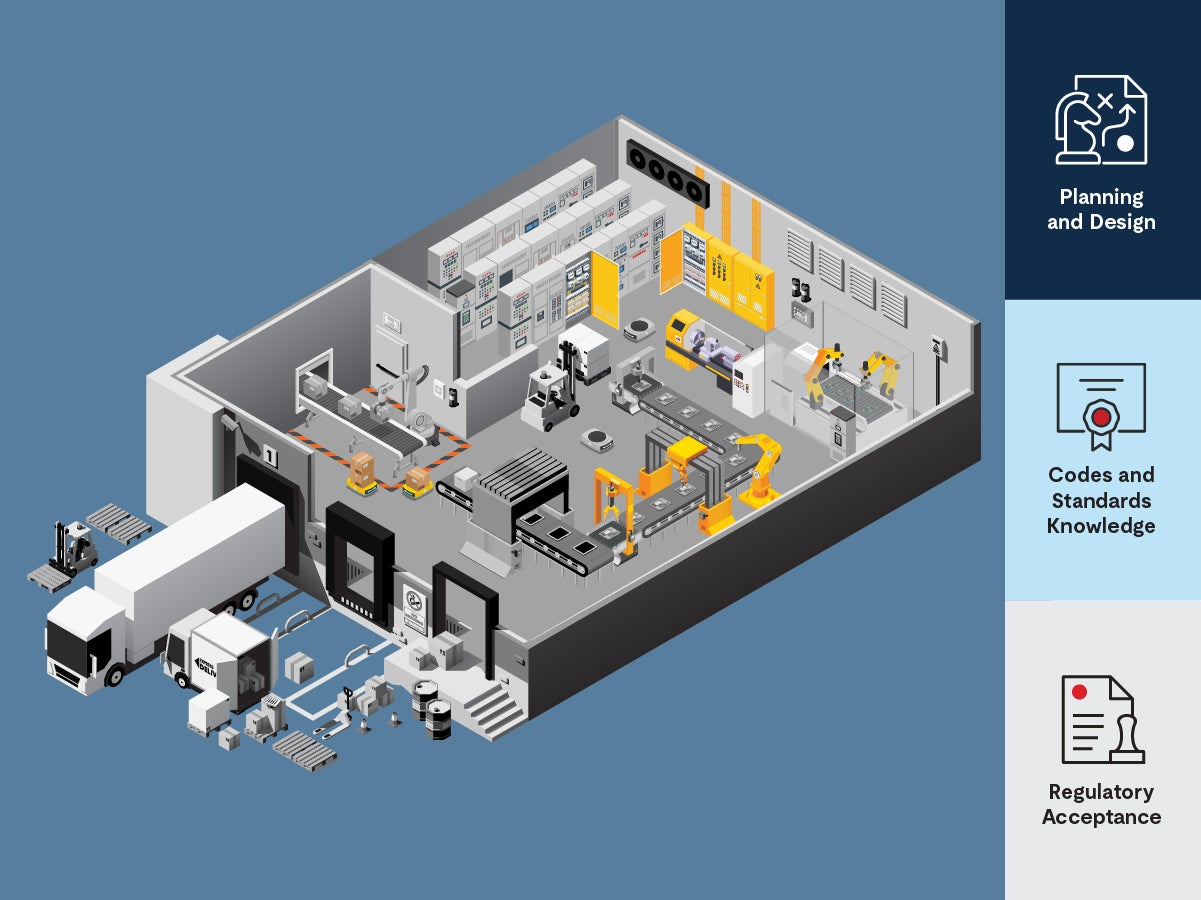

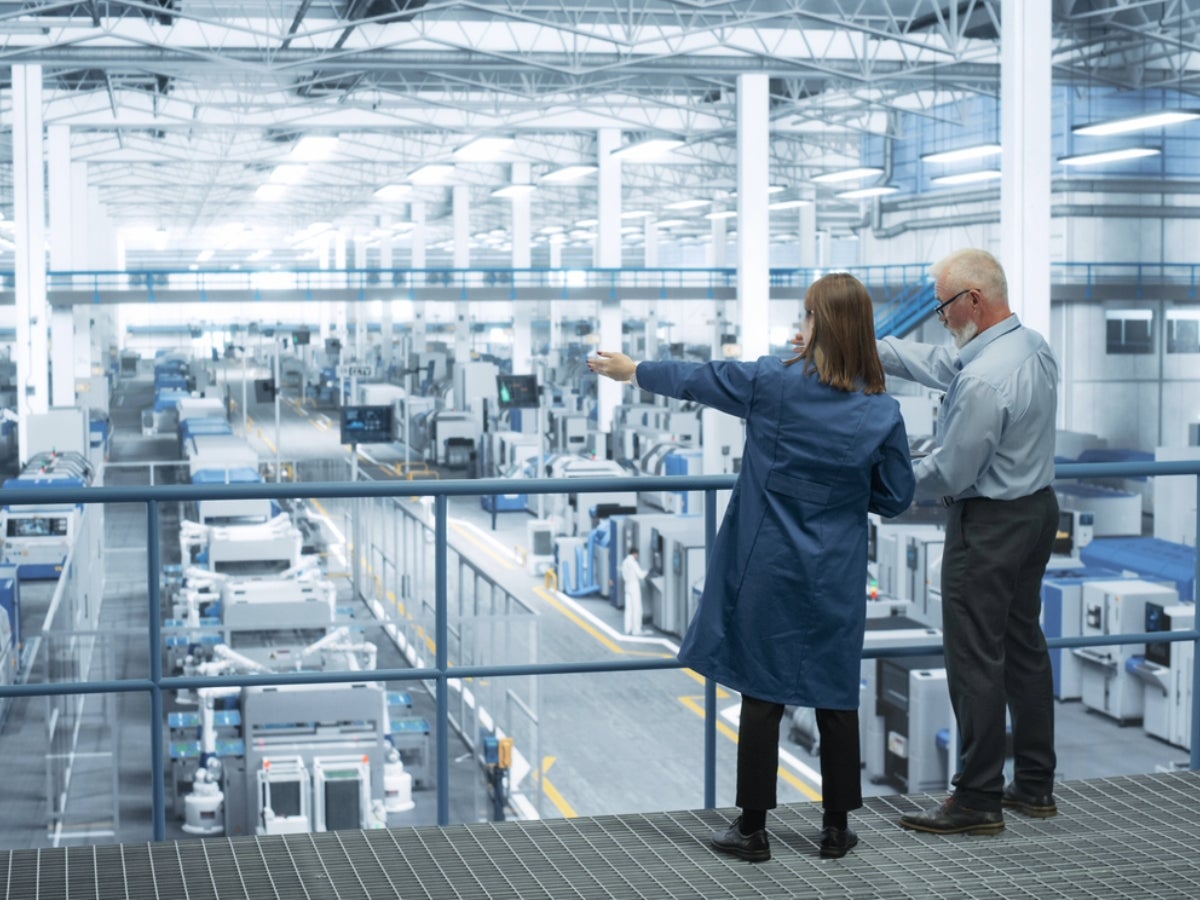
在投入运营之前,工厂需要满足各项法规和安全要求,包括验证设备安全性,以及符合各项建设规范的要求。对于从事制药、电动汽车(EV)电池生产、机械制造、电子工业以及食品生产等行业的制造商而言,如果在此阶段出现延误将会导致整个供应链的成本上升。
我们的全球专家团队与各地法规机构、工程师及运营团队紧密协作,能够及早发现潜在问题,从而减少返工环节,加快从设施建设到投入生产的进程。ULSolutions 通过综合性的调试支持方案,助力企业减少工厂投产过程中的潜在延误环节,该方案包括:


这段由 UL Solutions 制作的视频强调了在当今快速发展的各个行业中,安全、合规与创新的重要性。它展示了如何通过专业的知识与技能,助力企业打造出更安全的产品,从而实现可持续性发展。观看视频后,您能清楚地了解 UL Solutions 是如何凭借科学手段、专业能力以及合作伙伴关系,助力创造更安全的生活和工作环境的。
我们的服务受益方包括工厂业主、工程采购与施工承包商(EPC)、设施管理人员,以及从事扩建或新建项目(尤其是那些受监管行业)的合规团队。这些利益相关方将获得:

UL Solutions 的这项服务可以使您的工厂调试阶段更清晰、更一致且更高效,助力您的团队能够按计划推进工厂投产项目。我们致力于让您的下一个工厂建设项目更加顺畅、更加安全、更加圆满。
Start with a complete regulatory mapping of the destination region, including national standards, state/province codes, and municipal requirements. Because some jurisdictions interpret broader standards differently, early engagement with local Authorities Having Jurisdiction (AHJs) helps avoid misinterpretations that lead to rework.
Certification rarely transfers automatically across borders. Equipment may require field evaluations, additional electrical safety testing, or new certification marks to meet local standards. A gap assessment identifies where current approvals diverge from destination requirements.
Conduct a pre-commissioning compliance review early in the planning stage. This includes comparing facility design, equipment specifications, and control architectures to local regulations. Early discovery is far less costly than retroactive corrections.
Compliance typically involves engineering, Environment, Health and Safety (EHS), operations, procurement, and IT/cybersecurity. A cross-functional steering group, supported by a compliance advisor, supports understanding among all stakeholders of design implications and sign-off requirements throughout the project lifecycle.
The most common mistakes include assuming existing equipment credentials transfer, missing early AHJ coordination, bypassing documentation requirements and underestimating time for evaluations. Proactive planning and third-party advisory support help avoid these pitfalls.
As early as possible — ideally in the conceptual design phase. Early alignment reduces approval friction, clarifies expectations and avoids construction or installation work that may later need to be modified or redone.
Prioritize risk-based scheduling. By sequencing evaluations according to equipment criticality and lead times, you maintain progress while supporting compliance. This also reduces bottlenecks during startup and final inspection.
Installation focuses on building and connecting the equipment and systems.
It confirms that machinery, electrical systems, and infrastructure are installed according to drawings and specifications, but it does not cover safety, code compliance or system performance.
Startup focuses on initial operation.
During startup, systems are powered on and basic functionality is confirmed. This shows that equipment runs, but does not assess whether it meets applicable codes, safety standards or regulatory requirements.
Commissioning focuses on safety, compliance and readiness for intended use.
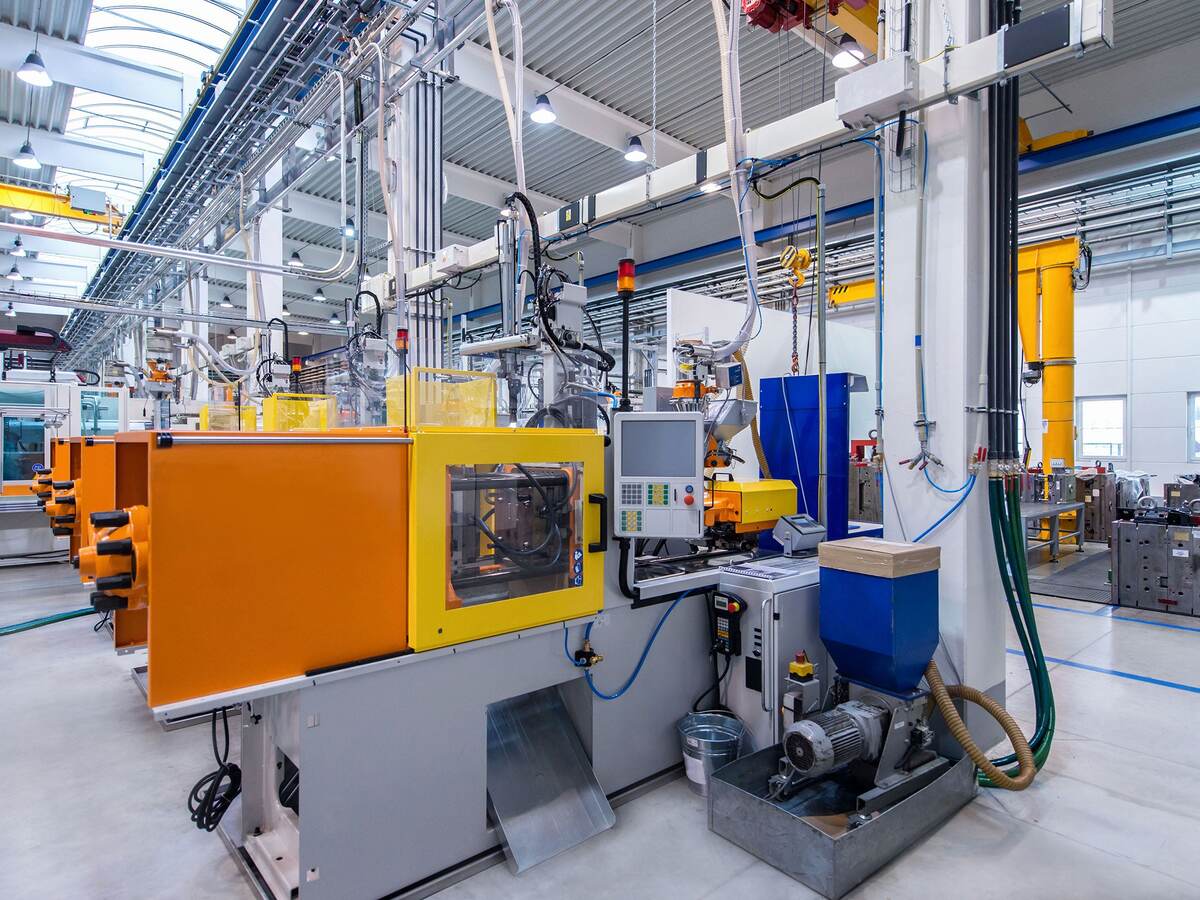
Factory commissioning focuses on the manufacturing process, equipment and operational safety inside a factory — assessing whether production equipment, electrical systems, controls and emerging technologies meet applicable codes and regulations and are ready for approval and operation.
Building commissioning evaluates whether the building works properly.
微信客服